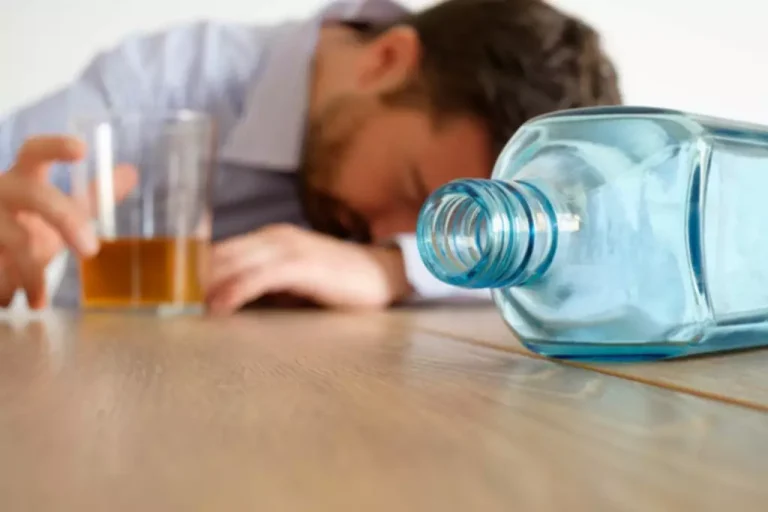
FDA-approved medications like naltrexone and acamprosate help reduce cravings and prevent relapse, further supporting the recovery process. Alcohol recovery is a structured process that helps individuals overcome alcohol dependence by addressing both the physical and psychological aspects of addiction. It involves detoxification, therapy, behavioral changes, and long-term strategies to maintain sobriety. Recovery is not just about abstinence but also about rebuilding a healthier and more fulfilling life. Approximately 33% of individuals suffering from alcohol addiction recover fully and remain abstinent, according to data from the National Epidemiologic Survey on Alcohol and Related Conditions (NESARC).
- But, if you had a painful experience detoxing the first time, you might avoid addiction treatment for your relapse.
- It is necessary to remove oneself from this type of environment to prevent relapses.
- For example, if they are constantly exposed to stressful jobs or relationships they cannot escape from, they may be tempted to drink again.
- Before you can move forward after a relapse, it’s important to look at why the relapse occurred in the first place.
- Research from the American Journal of Psychiatry suggests that individuals who maintain abstinence for at least five years have an 85% chance of staying sober long-term.
How can Relapse be Prevented in Alcohol Recovery?
A deep period of reflection will be a satisfying and liberating stage of your what to do after a relapse recovery. Remember, if you are trying to quit, you should plan for and try to avoid relapse. But if you do relapse, you should give yourself grace, accept that it is a normal part of quitting, and resolve to learn from the experience. Detoxification is often the first step in treating alcoholism, but you may have to repeat it several times before you can stop drinking.
Mixing Weed and Alcohol: Effects and Risks
- Most symptoms subside within a week, but some mild effects might linger for several weeks.
- However, addiction is a chronic disease, so there are different treatment options and recovery plans available to everyone.
- People can move on from the relapse with a stronger commitment to preventing future relapses by avoiding or managing triggers before they occur.
- You can get back on track more easily during this stage of relapse.
The thoughts stated above often lead to feelings of anger, depression, anxiety, shame, and negative self-labelling, all putting someone at a higher risk of relapse. Maintaining sobriety is challenging, and relapse drug addiction will always be on the minds of patients. The potential for relapse will always be there, but how much of a risk the relapse becomes is dependent on self-sufficiency, coping mechanisms, and treatment.
Ways to Support Your Loved One Through Treatment

A nutritious diet, regular exercise, and reducing stress are also of utmost importance, notes Dr. Golberg. If you’re living a sober lifestyle, ensuring you’re staying as healthy as possible in all other areas will only magnify those positive effects. Alcohol withdrawal is common, but delirium tremens only occurs in 5% of people who have alcohol withdrawal. Medicines called benzodiazepines can lessen alcohol withdrawal symptoms. Commonly used medicines in this group include chlordiazepoxide (Librium) and lorazepam (Ativan). Some doctors prefer phenobarbital over benzodiazepines to treat alcohol withdrawal symptoms.
Support Groups

Such programs are designed to tackle early withdrawal symptoms while offering medical oversight to handle potential issues that may arise. This methodical tactic guarantees that the process of withdrawing is conducted with maximum safety and comfort. The commencement of alcohol withdrawal symptoms often starts a mere few hours following one’s last consumption of alcohol.

If you have just relapsed, there are numerous things you can do and practice to help get you back on track. It is evidence of a preceded relapse if the individual becomes socially isolated and starts to avoid their treatment options. It is a sign of relapse if someone begins to talk about casual consumption, as this is a sign of mental relapse. Remember, you are an important part of the treatment team with enormous power to do good for your loved one.