
Understanding Red Flags: What They Are and Their Significance
Red flags are warning signals that indicate potential issues or concerns in various scenarios. These warnings can appear in personal relationships, professional environments, or compliance contexts such as financial transactions. Recognizing these red flags early can help individuals and organizations avoid serious consequences. Let’s delve deeper into the concept of red flags, exploring their meanings, examples, and significance in different situations. For specific insights, consider visiting what are red flags for a potential OFAC violation.
What Are Red Flags?
A red flag is a sign of warning that something may be wrong or that a problem may arise. The term is widely used in various contexts, such as in personal relationships, workplace environments, and regulatory frameworks. Identifying these flags is crucial as they can serve as indicators of potential threats, non-compliance, or unhealthy situations.
Red Flags in Personal Relationships
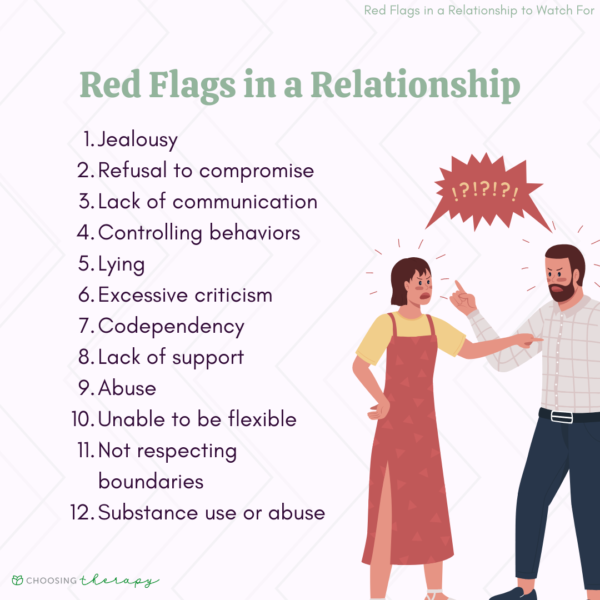
In personal relationships, red flags can signal unhealthy dynamics or potential issues. For example:
- Lack of Communication: If a partner frequently avoids meaningful conversations or dismisses feelings, it may indicate deeper problems.
- Controlling Behavior: A partner who attempts to control your actions, friendships, or finances can signal possessiveness and insecurity.
- Frequent Criticism: Constantly criticizing or belittling a partner can be a sign of emotional abuse.
- Inconsistent Actions: Saying one thing but doing another can create distrust in a relationship.
Red Flags in Professional Environments
In the workplace, red flags often point to issues that could affect employee morale or organizational success. Here are some common red flags:
- High Employee Turnover: Frequent departures can indicate a toxic work environment or poor management.
- Lack of Transparency: When management fails to communicate effectively or share important information, it creates a culture of distrust.
- Excessive Micromanagement: This may show a lack of confidence in employees and can stifle creativity and productivity.
- Unrealistic Expectations: Setting unattainable goals can lead to burnout and dissatisfaction among employees.
Red Flags in Financial Contexts
In financial dealings, red flags can indicate potential fraud, mismanagement, or non-compliance with regulations. Some examples include:
- Unusual Transaction Patterns: Sudden spikes in transaction volumes or values that deviate from normal behavior can be suspect.
- Incomplete or Missing Documentation: Lack of proper paperwork can signify fraud or poor administrative practices.
- Unexplained Changes in Behavior: Sudden changes in a client’s behavior may indicate underlying issues, such as financial stress.
- Refusal to Provide Information: Clients or partners unwilling to share relevant details can raise suspicions.
Importance of Recognizing Red Flags
Recognizing red flags is crucial for prevention and intervention. Early identification allows individuals and organizations to take proactive measures to mitigate risks. In personal relationships, addressing red flags can lead to healthier dynamics or even prompt individuals to seek help. In professional environments, acknowledging these warning signs fosters a culture of communication and trust, ultimately enhancing employee satisfaction and productivity.
Additionally, in financial or compliance contexts, identifying red flags can help organizations avoid severe penalties, legal issues, or financial losses. Being vigilant about potential OFAC violations, for instance, requires an understanding of warning signals that may indicate non-compliance.
Tips for Identifying Red Flags
Here are some practical tips for identifying red flags in various contexts:
- Trust Your Instincts: Often, your intuition can help you notice something off in a situation.
- Observe Behavior Patterns: Pay attention to consistent behaviors or actions that seem unusual.
- Initiate Open Communication: Encourage dialogue in relationships and workplaces to clarify uncertainties.
- Educate Yourself: Understanding the specific red flags in your area of interest—such as financial transactions—can enhance your awareness.
Conclusion
Red flags are essential warning signs that can help individuals and organizations identify potential problems before they escalate. Whether in personal relationships, professional settings, or financial contexts, remaining vigilant about these signals is vital for maintaining safety, compliance, and overall well-being. By understanding and recognizing red flags, you empower yourself to take necessary actions that can lead to positive outcomes.
