
Understanding Red Flags: What Are They and Why Do They Matter?
Red flags are signals or signs that indicate potential problems or risks in various contexts, such as finance, relationships, and compliance. Recognizing these red flags can help individuals and organizations prevent negative outcomes. For example, in the context of compliance, what are red flags for a potential OFAC violation can be crucial for avoiding costly penalties.
What Are Red Flags?
Red flags are indicators of a potential issue, danger, or concern that warrant further investigation or scrutiny. They can appear in various aspects of life, including personal relationships, business transactions, and regulatory compliance. Recognizing these signals promptly can empower individuals and organizations to take necessary precautions.
Types of Red Flags and Their Importance
Red flags can be categorized into several types. Understanding these categories provides clarity and helps in identifying them effectively.
1. Financial Red Flags
In the financial sector, red flags often indicate fraudulent activity or financial mismanagement. Common financial red flags include:
- Unexplained transactions
- Frequent changes in accounting practices
- Significant cash withdrawals without justification
- Discrepancies in financial statements
Identifying these red flags early can help organizations safeguard their assets and ensure compliance with applicable regulations.
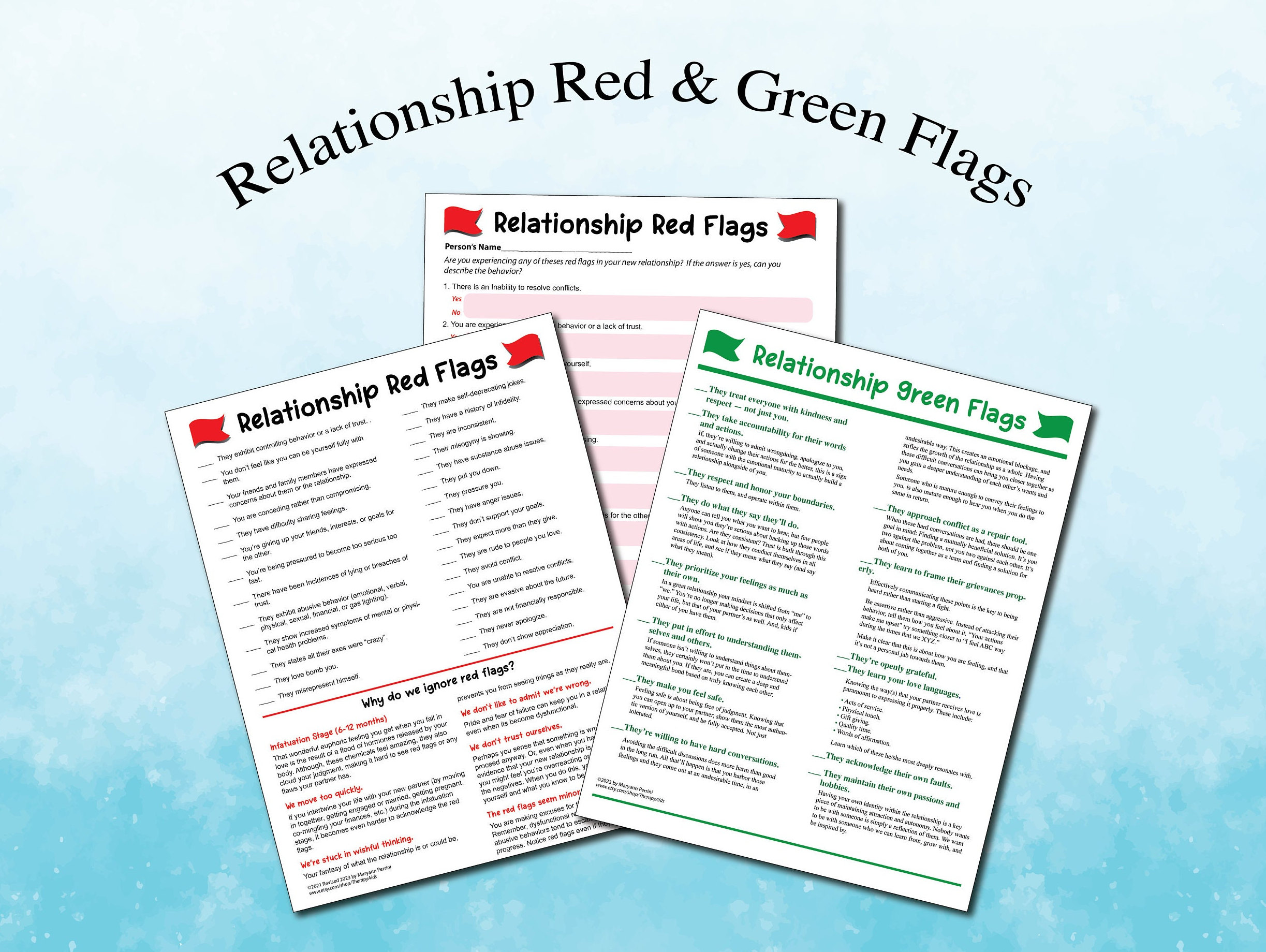
2. Relationship Red Flags
In personal relationships, red flags can signal unhealthy dynamics or potential abuse. Signs might include:
- Excessive jealousy
- Controlling behavior
- Lack of respect for personal boundaries
- Inconsistency in words and actions
Awareness of these signs can empower individuals to make informed decisions about their relationships.
3. Compliance Red Flags
In the realm of regulatory compliance, such as adhering to the Office of Foreign Assets Control (OFAC) regulations, red flags are crucial for identifying violations that could lead to severe penalties. These may include:
- Transactions involving high-risk jurisdictions
- Connections to sanctioned individuals or entities
- Failure to maintain proper due diligence records
- Unusual patterns of transactions that deviate from established norms
Understanding these compliance red flags can help organizations prevent legal repercussions and maintain their operational integrity.
How to Identify Red Flags
Recognizing red flags requires a combination of awareness, attention to detail, and critical thinking. Here are some strategies for identifying potential red flags in various contexts:
1. Stay Informed
Knowledge is power. Staying informed about the latest trends, regulations, and best practices in your field can enhance your ability to identify red flags. Subscribe to industry newsletters, attend workshops, and engage with professionals in your area.

2. Trust Your Instincts
Intuition can play a critical role in identifying red flags. If something feels off or doesn’t add up, take the time to investigate further. Trusting your instincts can often lead to uncovering hidden issues.
3. Analyze Patterns
Red flags often arise from patterns of behavior or unusual activities. Monitoring trends and changes can help you identify inconsistencies that merit additional scrutiny. For example, if a business partner suddenly changes payment methods, it may warrant investigation.
4. Conduct Thorough Due Diligence
In business and compliance, thorough due diligence is critical. Review documents, verify information, and seek additional insights before engaging in transactions or partnerships.
Responding to Red Flags
When red flags are identified, it is essential to take appropriate action. The response may vary based on the context and severity of the flag:
1. Investigate Further
Once a red flag is identified, conduct a comprehensive investigation to gather more information. This could involve accessing financial records, discussing concerns with involved parties, or seeking external advice.
2. Seek Expert Advice
In complex situations, it may be prudent to consult industry experts or legal counsel. Their insights can provide clarity on potential risks and appropriate responses.
3. Implement Safeguards
After addressing the immediate concern, consider implementing preventive measures to mitigate future risks. This can involve adjusting policies, enhancing oversight, or increasing training for relevant stakeholders.
Conclusion
Recognizing and understanding red flags are crucial skills in navigating various aspects of life and business. Whether in financial dealings, personal relationships, or compliance with regulations, awareness of potential issues empowers individuals and organizations to take proactive measures. By identifying red flags early and responding appropriately, you can protect yourself and your interests from potential harm.