
Understanding Interpol Diffusion Notices and Their Legal Implications
Interpol diffusion notices are essential tools used by law enforcement agencies worldwide to share vital information about criminal activities. These notices serve various purposes, from alerting member countries about dangerous individuals to requesting assistance in locating suspects. However, navigating the complexities of these notices can be challenging. If you find yourself needing help with Interpol diffusion notices, it is crucial to understand their types, functions, and the potential legal remedies available to you.
What Are Interpol Diffusion Notices?
Interpol, the International Criminal Police Organization, issues several types of notices to facilitate international police cooperation. Among these, diffusion notices are particularly important. These notices are less formal than arrest warrants and are not legally binding; instead, they serve as alerts or requests for information. They can be issued for various purposes, including:
- Locating missing persons
- Identifying suspects or witnesses
- Facilitating the arrest of fugitives
- Preventing criminal activities
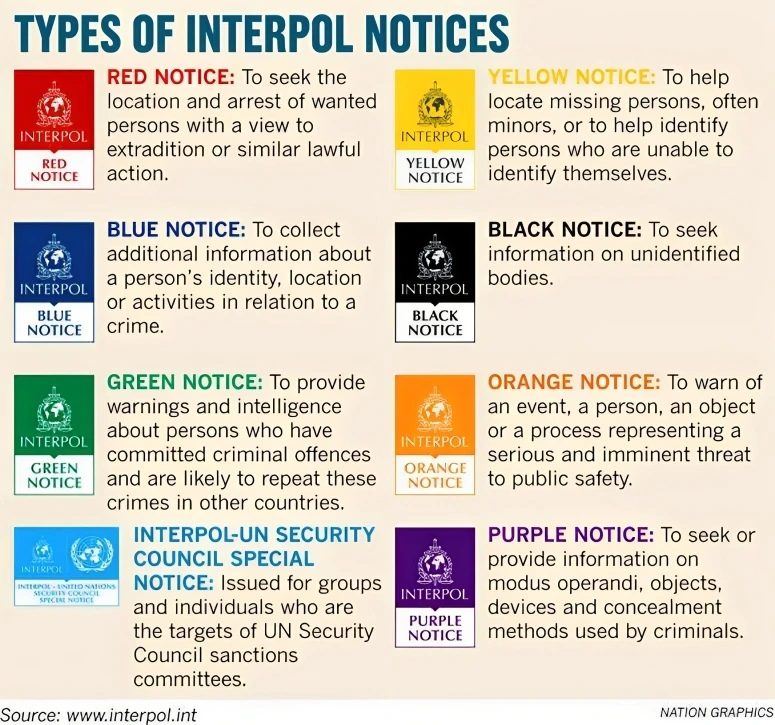
Diffusion notices come in different colors, each representing a specific function. For instance, a Red Notice is a request to locate and provisionally arrest an individual pending extradition, while a Blue Notice seeks to gather additional information about a person’s identity, location, or activities.
The Process of Issuing a Diffusion Notice
The process of issuing a diffusion notice generally involves cooperation between the country that requests the notice and Interpol’s General Secretariat. The requesting country must provide sufficient information about the individual in question, as well as the legal basis for the request. Once assessed, Interpol can disseminate the notice to its member countries, allowing them to take appropriate actions if they encounter the individual.
Legal Implications of Diffusion Notices
While diffusion notices serve important functions, they also raise significant legal implications, particularly for those who find themselves subjects of such notices. The potential consequences can be severe:
- Increased scrutiny from law enforcement agencies
- Travel restrictions or detainment at borders
- Impact on personal and professional reputation
Individuals named in diffusion notices may face challenges in proving their innocence or contesting the legitimacy of the notice without proper legal representation. This can lead to potential violations of human rights, especially when individuals may be unaware of the charges against them.

Seeking Help: Legal Remedies
If you find yourself affected by an Interpol diffusion notice, it is important to seek legal assistance. The process can be complex, but there are various steps you can take:
- Consult with Legal Experts: Engage a lawyer with experience in international law and human rights to understand your options and develop a strategy.
- Gather Evidence: Collect documentation and evidence to support your case and demonstrate your innocence or the illegality of the notice.
- Challenge the Notice: Depending on the circumstances, you may have the option to contest the notice through legal channels in the country that issued it.
- File a Complaint with Interpol: You may also appeal to Interpol itself, requesting a review of the notice and arguing for its removal.
Conclusion
Interpol diffusion notices are crucial for international policing but can have far-reaching implications for those they target. Understanding the nature of these notices and the available legal remedies is essential for individuals seeking to protect their rights. If you ever require help with Interpol diffusion notices, don’t hesitate to reach out to legal professionals who can guide you through the complexities of the system. With the right help, it may be possible to mitigate the consequences of a diffusion notice and restore your reputation.