All posts in Bookkeeping

What is the difference between a Bookkeeper, Controller and CFO? Business Management Consulting Opus Consulting

Posted by / 1 de outubro de 2021 / Categories: Bookkeeping / 0 Comments

cfo vs controller

This is especially true when it comes to distinguishing the roles of the chief financial officer (CFO) and the controller. While both Financial Controllers and CFOs are important members of a company’s management team, they have different roles and responsibilities. However, both positions are important in ensuring the financial health of a company. A controller’s job is to ensure that financial records and accounts are always accurate and up to date. The role is focused on the tactical steps required to ensure the organization fulfills its financial obligations and meets KPIs. They use data and reports supplied by the controller to evaluate the company’s financial health and work with other executives to shape the company’s strategic direction.

Controllers execute financial operations compliantly, enabling CFOs to apply strategic financial planning that charts the company’s overall direction and future growth. Controllers maintain the company’s financial records, ensuring the accurate recording of every transaction, including general ledgers, accounts payable/receivable, and payroll. In some businesses, a controller may wear so many hats that their role is not markedly different from a CFO. However, there may also be businesses where a controller reports to a CFO. Here are some of the subtle variations between CFOs and controllers based on the stage of the business, typical roles and responsibilities, and how each is positioned. The earliest you would likely hire a part-time controller would start at the $500,000 revenue threshold.

A CFO has the ability to understand, interpret and make plans from looking at financial data. A controller has the organization and attention to detail to create the financial report the CFO reads. Hiring a CFO means you will have someone on your team who can work closely to guide you towards the moves you can make right now, and what should be reserved for the future. They will also be able to partner with you to set your company on the path towards that future.

CFO’s and CPA’s work closely together; they need each other’s skills sets. But if someone is focused on being up to date on the thousands of tax laws cfo vs controller out there, are they able to forecast cash flow, do a cost-benefit analysis for an acquisition, or handle a refinance? At the same time, most CFO’s aren’t up to speed on depreciation rules or state by state filing requirements; the CPA is.

Purpose of the Role

A good controller is worth their weight in gold to any small or medium size business where cash management is a strategic factor in success. Although the tasks are basic, attention to detail is of the utmost importance in the bookkeeping profession. A few data entry errors can cost your company a significant amount of time and money. The bookkeeper, or the accountant, of your company is an essential element of your administrative team. Using vision and data, the CFO collaborates with the CEO to get company-wide buy-in for changes and new ideas.

The CEO’s Right Hand takes charge of your finance, accounting, human resources, and other foundational functions so you can focus on what you do best – running your company. We then arm you with reliable data so you can make confident and timely business decisions. Small companies (~$10MM in revenues) can expect to pay about $200,000 per year (including bonus, benefits, etc.). Alternatively, you can reduce your costs by outsourcing this function to a firm that offers fractional finance and accounting services. We’ll look at how CFOs and Controllers contribute to a company’s financial health, what their day-to-day responsibilities look like, and why both roles are crucial for businesses of all sizes.

Financial Decision-Making

It is their job to ensure that money is being paid and received promptly and legally. The CFO’s role in fostering relationships with investors, banks, and other financial partners is critical for securing the necessary capital and resources for sustained growth. Moreover, a CFO’s expertise in financial management and strategic planning becomes indispensable in navigating the complexities of larger operational scales. A controller is accountable for accurate financial reporting, budget management, and regulatory compliance.

CFO vs Controller: What’s the Difference?

For example, at The CEO’s Right Hand, we provide accounting and bookkeeping services along with outsourced CFO services with packages starting at $4,500 a month. This will provide you with the support you need at just a fraction of the cost. To truly drive growth, you need to master the art of strategic capital deployment. Our guide will help you to optimize the capital deployed and help transform your financial strategy into a powerful catalyst for real business growth….

cfo vs controller

  • We understand Biotech companies operate in a different environment and our team has deep expertise in the specific requirements your company will face.
  • The most successful CFOs are effective communicators who can inspire confidence among employees, investors, and the broader market.
  • CFOs are always thinking about how to move the company forward financially.
  • A controller can manage automated processes and data daily, while a CFO provides strategic oversight, financial leadership, and alignment with automation-driven decisions.
  • According to the 2021 Financial Hiring Guide by Robert Half, 71% of CFOs and senior financial executives view strong financial controls as essential for effective strategic decision-making.

Naturally, performance needs to be measured for businesses to improve. Two roles where the lines are often blurred are that of the Financial Controller (FC) and the Chief Financial Officer (CFO). With intensive strategizing and the utmost degree of accuracy in numbers, the requirements of a well-functioning finance unit take a lot of work to fulfill. Your CPA may have helped you to clean up your books and guided you through some of the most challenging years of your business. Most CFOs also possess a master’s degree, often an MBA, to round out their technical education with business and operational acumen. If you prefer to do the math for yourself check out our full-time vs fractional CFO calculator.

The Benefits of Hiring a Virtual CFO and Financial Controller

The CFO is traditionally ranked just below the CEO in terms of hierarchy. The controller reports to the CFO, sometimes alongside a treasurer and tax manager. A finance leader doesn’t need to overhaul their entire finance operation at once. Introducing finance automation in strategic functions enables CFOs and controllers to achieve quick wins while paving the way for digital transformation in other areas. Small businesses making less than a million in profits may work well with an accounting manager to generate income statements, track bank accounts, and attend to other bookkeeping responsibilities.

They are the backbone of accounting operations, overseeing audits, compliance issues, accounting controls, etc. The CFO is an executive who works to protect the overall financial health of a company. A Certified Public Accountant (CPA) has, among other requirements, taken and passed the Uniform CPA Examination given by the American Institute of Certified Public Accountants. However, it is common for CPAs to serve businesses as external independent consultants, supporting with financial audit services and preparing and filing business taxes. This is necessary to ensure accuracy and compliance with complex accounting rules and government regulations.

A CFO is also a visible leader in the eyes of both staff and external stakeholders, serving as the face of the company alongside the CEO. The most successful CFOs are effective communicators who can inspire confidence among employees, investors, and the broader market. Medium-to-large businesses may already have a controller on staff but need a different perspective on financial statements, fundraising, and expansion. After all, this job involves access to the financial information that a business owner does not want in just anyone’s hands.

It’s not unusual in a small company for the accounting manager to become the controller and then become the CFO. But without the requisite education, mindset, and experience, just having more years on the job doesn’t prepare the person for that role. Outsourced controllers are already trained in processes that save time. Far less training time is needed when you work with an outsourced controller. An outsourced controller will have experience in various industries, providing innovative solutions to old problems. In-house controllers may not have experience in your industry, missing opportunities to cut costs or amend business practices that may not be optimal.
Controller vs CFO: Understanding Key Differences

Posted by / 1 de outubro de 2021 / Categories: Bookkeeping / 0 Comments

cfo vs controller

It is an executive-level position held by individuals with significant experience, advanced degrees, and certifications. CFOs are responsible for financial planning, financial reporting, strategic management, asset management, and personnel management over financial functions. The CFO typically reports to the CEO and is the second or third-highest member of the C-Suite team. This role oversees the accounting department, tax compliance, budgeting/forecasting, and financial reporting. It is a senior-level management position typically held by those with multiple years of experience in accounting and tax management. In smaller companies, the Controller assumes various duties, including budgeting, reporting, and compliance.

The role is more specialized in larger companies as other responsibilities are shifted to the CFO. In small businesses, the roles of a fractional controller vs CFO complement each other. A fractional controller ensures daily financial operations run smoothly, while a fractional CFO can provide strategic oversight. This combination allows small businesses to maintain accurate financial records and make informed strategic decisions, all for less than the cost of a full-time finance executive. A Financial Controller is a senior-level executive responsible for a company’s financial management. They oversee the financial department and ensure that all financial reporting is accurate and compliant with regulations.

Key differences between CFOs and controllers

The average maximum salary of a CFO is higher than that of a controller, as it is commensurate with the education, experience, and financial leadership you would expect from high-level finance directors. A successful CFO should anticipate business risks, direct a company’s finance function, and fine-tune financial strategies to maximize growth potential. If a controller deals in the daily minutiae, then a CFO is all about the big picture. This strategic leader works with financial reports but is more interested in analyzing financial data and growing a company’s profitability. You may need an in-house CFO at either a large public corporation or a small private company, and while the financial strategies may differ, the responsibilities are similar.

Why Small Businesses Might Need a CFO and Controller

With an outsourced controller on your team, you will have access to accounting and bookkeeping expertise when needed. The deeper bench that outsourcing offers is one of the major benefits of outsourcing finance and accounting roles. The controller carries out the implementation and day-to-day management of the operations of the accounting department. The controller’s oversight and account management enable the CFO to meet the company’s larger strategic goals. Controllers are typically accountants with expertise in financial management operations, including bookkeeping, financial reconciliation, and reporting accuracy.

CFO Hub — Outsourced Financial Professionals for All Your Business Needs

Though it’s not always required, many CFOs hold MBA degrees or other advanced financial certifications. Controllers usually have a strong accounting background, often with CPA certification. CFOs are always thinking about how to move the company forward financially. Having everything centralized in TaxDome helps us, and it helps the client.

According to the 2021 Financial Hiring Guide by Robert Half, 71% of CFOs and senior financial executives view strong financial controls as essential for effective strategic decision-making. It’s the financial controllers that turn numbers into reliable and actionable intelligence. The cost and commitment of a full-time CFO may be too much for smaller organizations. Fractional CFOs perform all the same functions as full-time CFOs and can help you solve specific financial problems on a part-time basis. This means business owners can get a long-term partner who can provide the advice they need at a “fraction” of the cost. Given this background, a good controller will be well-versed in the day-to-day requirements of running an accounting department.

  • The answer to this question depends on the size and complexity of your business.
  • To help clients, prospects, and others, Hanson & Co has summarized the key considerations below.
  • As the business grows, so does the need for distinguishing these roles.
  • A key difference between a Financial Controller and a CFO is the strategic input they provide.

Depending on the size of the organization, a Controller may perform some light bookkeeping and accounting tasks. In smaller organizations, a Senior Accountant may fill the Controller role, or the level of complexity may not warrant Controller-level supervision. Many times we are asked, if I already have a CPA, why would I need Lucrum.

With the advent of automation tools simplifying compliance and reporting, there is an increased emphasis on controllers to play a more significant role in growth strategy. The controller is expected to microscopically analyze internal financial operations, and strategize towards revenue growth. A Controller oversees and manages the accounting department – reviewing and reconciling accounts and providing financial reporting to management. The Controller is responsible for overseeing the company’s A/P, A/R, Payroll, ledger and more. This is an important distinction because each role requires a related but nuanced skill set and serves a different need. And, they may even have experience with capital raising and/or building and selling successful companies.

A controller has four tiers of accountability, each with its own responsibilities. Companies hire CFOs and controllers for many reasons beyond a grand design. Some of these needs may be short-term; that’s when working with a fractional CFO or interim CFO who can oversee particular financial functions or tasks may be the best option. If you would like to learn more about how fractional CFO services work and can support your growing business, please schedule a free, no-commitment consultation with one of our CFOs.

Controller salaries vary depending on experience, the size and location of the company, and the complexity of the industry. Controllers at small companies (~$10MM in revenues) typically make $150,000 annually. Factor in variable compensation, benefits, and taxes, and you’re looking at a total cost of approximately $200,000 per year. On the other hand, middle-market companies can expect to spend closer to $300,000 per year all in. As companies grow, they often add a CFO position to focus more on strategic financial planning. Whether you’re a business owner, a finance professional, or just curious about corporate structures, understanding cfo vs controller these roles can give you valuable insights into how companies manage their finances.

cfo vs controller

For instance, controllers and CFOs both play integral roles in a medium- to large-sized company’s financial management team. Although they may be used interchangeably and have some skill and job crossover, they’re different positions. Whether a company needs both a CFO and a controller depends on its size, complexity, and stage of growth. Smaller companies often find that one role can cover both functions or that they only have enough work to support a part-time or fractional CFO.

CFO vs Controller Infographics

Also, the CFO may be working overtime to get all the information they need to make accurate decisions. They must also ensure that financial policies and procedures are effectively integrated across the entire organization. This requires close collaboration with department heads, particularly those in IT, sales, and operations. You may want to start with a good, hard look at your company’s financial records.

A CFO’s tiers of accountability are economic strategy and forecasting, and treasury responsibilities. Likewise, automation gives controllers less to worry about when it comes to compliance risk and cost management. It enables them to scale their departmental operations effectively as their companies grow without adding resources or incurring new operating costs.

What Is Cost Accounting? Definition, Concept, and Types

Posted by / 15 de setembro de 2021 / Categories: Bookkeeping / 0 Comments

cost principle accounting definition

Otherwise, it doesn’t fit into the cost principle accounting model. On the other hand, the cost principle will always provide an asset’s value in a single figure. When something is easier, the service surrounding it will cost less money to perform. In Canada, to be GAAP compliant, the cost principle must be used. This means that the historical cost principle must be used to maintain compliance in accounting in Canada.

  • In simpler terms, accounting cost is the overall cost of anything your business has paid for.
  • Modern methods of cost accounting first emerged in the manufacturing industries, though its advantages helped it spread quickly to other sectors.
  • For example, if an accounting department is able to cut down on wasted time, employees can focus that saved time more productively on value-added tasks.
  • Regardless of the method used, depreciation is treated as a loss.
  • However, after accounting for depreciation adjustment, the building reflects $50,000 in the financial statements.
  • Brand identity and intellectual property are two examples of this.

If the same asset was purchased for a down payment of $20,000 and a formal promise to pay $30,000 within a reasonable period of time and with a reasonable interest rate, the asset will also be recorded at $50,000. By automating it with cost accounting software, you can save time and money. NetSuite is one example of software that offers cost accounting capabilities.

The Purpose of Accounting Principles

The conservatism principle in accounting dictates that estimates, uncertainty, and financial record-keeping should be done in a manner that does not intentionally overstate the financial health of an organization. Historical cost is one way of adhering to the conservatism principle, as companies must report certain assets at cost and have a more difficult time exaggerating the value of the asset. It helps company management to make decisions and is tailored to the specific needs of each separate firm.

cost principle accounting definition

Unit-wise details of costs, their components, and the accuracy of calculations and cost data, which are made available by the costing department, go a long way in helping to determine product and service prices. It is clear that cost accounting provides the basis on which costing is made possible. Cost accounting provides the necessary cost data that can be used for the purpose of costing. A number of costing methods and techniques are used for costing products, cost control, and managerial decisions.

Resources for Your Growing Business

Yes, when using the cost principle, depreciation of an asset still needs to be recorded. Using the cost principle will still record the original cost of the asset. When you’re looking https://www.bookstime.com/ to predict cash flow for your business, the amount of money to be made from selling assets is important. Another exception to the cost principle are accounts receivable.

cost principle accounting definition

Financial decision-making is based on the impact on the company’s total value stream profitability. Value streams are the profit centers of a company, which is any branch or division that directly adds to its bottom-line profitability. If the variance analysis determines that actual costs cost principle accounting definition are higher than expected, the variance is unfavorable. If it determines the actual costs are lower than expected, the variance is favorable. Two factors can contribute to a favorable or unfavorable variance. There is the cost of the input, such as the cost of labor and materials.

Best Bookkeepers in Houston Texas Bookkeeping Services

Posted by / 9 de agosto de 2021 / Categories: Bookkeeping / 0 Comments

bookkeeping services houston

The end result is a set of accurate financial statements—an income statement and a balance sheet. At Rayvat Accounting, we appreciate the importance of the best virtual bookkeeping services, and we want to help local businesses in Houston to maximize available resources. We have the most talented team of certified bookkeepers in Houston, working with companies in all industries. Owensgrowth Bookkeeping Services, LLC is a Virtual Bookkeeping & Accounting Preparation Firm based out of Houston, Texas.

bookkeeping services houston

When you choose BooXkeeping, you can rest assured knowing that you’re getting the most reliable bookkeeping services from a team “obsessed” with helping your business. We offer affordable bookkeeping services so you can keep your business running smoothly without breaking the bank. According to the American Institute of CPAs, certified public accountant (CPAs) financially advise individuals, big companies and small businesses to help them reach their financial goals. For example, they can consult you on taxes and other accounting needs. Your bookkeeping team consists of 3 professionally trained bookkeepers, including one senior bookkeeper who reviews all of your monthly statements and your Year End Financial package.

American Accounting & Tax Services

We provide bookkeeping services that assist business owners with making smart financial decisions. RedundanciesThe team approach described above offers another important benefit. If one of the bookkeepers working with you goes on vacation, falls sick or leaves the company, there is always someone on our staff who knows your books in detail. If the absence of one of the bookkeepers is likely to last, we backfill with another experienced bookkeeper and we do this seamlessly, at no cost to you. If an independent bookkeeper becomes unavailable, the client’s books come to a standstill.

Navigating the financial landscape in this diverse environment can be challenging, particularly given the unique tax laws and regulations of the state. Our state-of-the-art online bookkeeping service combines cutting-edge software https://www.bookstime.com/ with the expertise of real, professional bookkeepers. We take care of all your bookkeeping and tax needs by applying our in-depth knowledge of local taxes and commercial regulations applicable in Houston and Texas at large.

Related cost information

Our team guarantees its services through full E&O insurance, while testimonials from our satisfied clients speak for themselves about the quality of our offerings. The work ethic of our employees is recognized in the state of Texas, as is our attention to detail. If your team has a hard time keeping up with the bookkeeping tasks, we are glad to be of help. We have also invested heavily in the bookkeeping houston latest technology to guarantee quality Online Accounting Services delivery and safety of all business information under our watch. BooXkeeping offers affordable bookkeeping services for small and medium-sized businesses in the great city of Houston and surrounding areas. BooXkeeping is a nationwide provider of affordable outsourced bookkeeping services to small and medium-sized businesses.

They often work closely with law enforcement and lawyers, and they can help determine the legality of financial activities, according to the BLS. If you decide to go with us, we’ll take bookkeeping off your plate—for good. We use Plaid, which lets you securely connect your financial accounts to Bench in seconds. This feature saves you the time and effort of manually uploading documents. Our team of pros is familiar with Texas tax rules and will customize their approach to your business’ unique needs. You can also ask an accountant to provide proof of their license and credentials.

Who licenses CPAs?

Check out the average hourly rate for accounting services in your area. We assist them in setting it up, provide training, and they take over all the bookkeeping functions. Is dedicated to providing the highest quality of individualized care to each one of our partners. We’ve build our brand to be strategic partners to our clients by helping our partners grow their brand and revenue. We’re leaders in the Bookkeeping industry in Houston, TX and surrounding areas as well as virtually by delivering attention to detail results, in a friendly business environment, which focuses on partners satisfaction. We support and work with most major accounting and bookkeeping software platforms, making it easy to outsource to us and keeping you in control of your financial data.

Demystifying Nonprofit Financial Statements: Complete Guide

Posted by / 5 de julho de 2021 / Categories: Bookkeeping / 0 Comments

financial statements for nonprofits

The Assets section of the Statement of Financial Position provides a snapshot of the nonprofit organization’s resources. Current assets are those that can be converted into cash within one year, such as cash, accounts receivable, and inventory. Non-current assets, on the other hand, are resources that are expected to provide benefits to the organization for more than one year, such as property, equipment, and investments. They focused on producing the dashboard and reports we need to effectively run the organization. Their work is always done efficiently and accurately resulting in transparent and easy to read financial statements. When reviewing the Statement of Financial Position, nonprofit leaders should compare assets and liabilities over time to identify financial growth and challenges.

Understanding the Liabilities Section

financial statements for nonprofits

Donors often look at these statements to evaluate the organization’s financial stability and effectiveness in achieving its mission. Overall, nonprofit financial statements play a critical role in promoting transparency, accountability, compliance, and informed decision-making within nonprofit organizations. Nonprofit financial statements are reports that provide a comprehensive view of an organization’s financial health and operations. These statements include the income statement, balance sheet, and cash flow statement, as well as other financial reports required by regulatory bodies and stakeholders. They are essential for understanding the financial position and performance of a nonprofit organization. Nonprofit organizations play a crucial role in society by addressing various social issues and providing valuable services to communities.

Best Practices for Preparing Nonprofit Financial Statements

financial statements for nonprofits

This helps nonprofit accountants maintain transparent financial records and track their mission progress. Now that we’ve discussed the common challenges in nonprofit accounting let’s explore proven practices that help organizations overcome these obstacles. While every nonprofit faces unique circumstances, these fundamental strategies help build strong financial management systems that work.

  • Operating revenue includes funds from donations, ticket sales, product sales, etc.
  • But many times they don’t fully understand what the report is, and what they’re looking for is something that’s not actually in the report.
  • However, their importance goes beyond the need to jump through regulatory hoops.
  • This can give you an idea of the organization’s fundraising efforts and whether it is generating enough cash to sustain its operations.
  • By following best practices and adhering to accounting standards, nonprofits can ensure transparency and demonstrate their commitment to their mission.
  • The Statement of Functional Expenses categorizes expenditures according to mission, fundraising, or general and administrative.
  • Currencycloud stops safeguarding your funds when the money has been paid out of your account to your beneficiary’s account.

Fund Accounting Deep Dive

They are also used for compliance purposes, as regulatory bodies require nonprofits to submit these statements regularly. Additionally, donors and funders often request financial statements to evaluate the financial health and sustainability of an organization before making contributions. Accurate and well-organized data is the foundation of reliable nonprofit financial statements. These reports should help your team and its stakeholders understand the organization’s finances. Proper documentation and processes are increasingly vital, not just for financial data but also for tracking who handles that data and how.

  • They determine how financial transactions are recorded, reported, and disclosed, and they provide stakeholders with valuable information about the organization’s financial health and performance.
  • The fundraising efficiency metric shows how cost-effective a nonprofit’s fundraising efforts are by comparing the cost of fundraising to the revenue generated.
  • However, negative cash flow, particularly in operating activities, can indicate potential financial issues, as it may suggest the organization is struggling to cover its core expenses.
  • Plus costs incurred but not yet paid, like payroll that won’t be paid until next month or vendor invoices with 30-day terms.
  • Many of these statements are similar to what for-profit businesses file, but some significant differences exist.
  • Additionally, donors and funders often request financial statements to evaluate the financial health and sustainability of an organization before making contributions.

Complete the Statement of Cash Flows

Discover essential nonprofit accounting practices to enhance financial management and ensure organizational success. It’s essential to analyze this statement to understand the organization’s cash inflows and outflows. Expenses include program expenses, administrative expenses, and fundraising expenses. The statement of activities also shows the organization’s net income or loss for the period. The best way to ensure accurate financial statements is by working with financial statements for nonprofits a seasoned nonprofit accounting firm, like Chazin. Our team has decades of experience creating financial statements for nonprofits of all sizes, and we offer a full suite of services to catalyze nonprofits’ financial success.

tips to prepare your nonprofit financial reports

This ongoing oversight helps prevent the accidental misuse of restricted funds and ensures compliance with donor requirements. Getting your financial statements correct involves more than just checking boxes—these documents use financial information to tell your organization’s mission story. As your nonprofit grows, you’ll likely need bookkeeping and accounting expertise. Small nonprofits may begin with basic bookkeeping support, but there are times when professional nonprofit accounting oversight becomes necessary.

Nonprofit Financial Statements: Key Insights + Applications

The statement of financial position provides a snapshot of the organization’s financial position at a specific point in time. It’s essential to analyze this statement to understand the organization’s assets, liabilities, and net assets. The statement of cash flows shows how the organization’s cash position has changed over a specific period. It provides a breakdown of the organization’s cash inflows and outflows, including operating activities, investing activities, and financing activities.

Demystifying Nonprofit Financial Statements: Complete Guide

Posted by / 5 de julho de 2021 / Categories: Bookkeeping / 0 Comments

financial statements for nonprofits

The Assets section of the Statement of Financial Position provides a snapshot of the nonprofit organization’s resources. Current assets are those that can be converted into cash within one year, such as cash, accounts receivable, and inventory. Non-current assets, on the other hand, are resources that are expected to provide benefits to the organization for more than one year, such as property, equipment, and investments. They focused on producing the dashboard and reports we need to effectively run the organization. Their work is always done efficiently and accurately resulting in transparent and easy to read financial statements. When reviewing the Statement of Financial Position, nonprofit leaders should compare assets and liabilities over time to identify financial growth and challenges.

Understanding the Liabilities Section

financial statements for nonprofits

Donors often look at these statements to evaluate the organization’s financial stability and effectiveness in achieving its mission. Overall, nonprofit financial statements play a critical role in promoting transparency, accountability, compliance, and informed decision-making within nonprofit organizations. Nonprofit financial statements are reports that provide a comprehensive view of an organization’s financial health and operations. These statements include the income statement, balance sheet, and cash flow statement, as well as other financial reports required by regulatory bodies and stakeholders. They are essential for understanding the financial position and performance of a nonprofit organization. Nonprofit organizations play a crucial role in society by addressing various social issues and providing valuable services to communities.

Best Practices for Preparing Nonprofit Financial Statements

financial statements for nonprofits

This helps nonprofit accountants maintain transparent financial records and track their mission progress. Now that we’ve discussed the common challenges in nonprofit accounting let’s explore proven practices that help organizations overcome these obstacles. While every nonprofit faces unique circumstances, these fundamental strategies help build strong financial management systems that work.

  • Operating revenue includes funds from donations, ticket sales, product sales, etc.
  • But many times they don’t fully understand what the report is, and what they’re looking for is something that’s not actually in the report.
  • However, their importance goes beyond the need to jump through regulatory hoops.
  • This can give you an idea of the organization’s fundraising efforts and whether it is generating enough cash to sustain its operations.
  • By following best practices and adhering to accounting standards, nonprofits can ensure transparency and demonstrate their commitment to their mission.
  • The Statement of Functional Expenses categorizes expenditures according to mission, fundraising, or general and administrative.
  • Currencycloud stops safeguarding your funds when the money has been paid out of your account to your beneficiary’s account.

Fund Accounting Deep Dive

They are also used for compliance purposes, as regulatory bodies require nonprofits to submit these statements regularly. Additionally, donors and funders often request financial statements to evaluate the financial health and sustainability of an organization before making contributions. Accurate and well-organized data is the foundation of reliable nonprofit financial statements. These reports should help your team and its stakeholders understand the organization’s finances. Proper documentation and processes are increasingly vital, not just for financial data but also for tracking who handles that data and how.

  • They determine how financial transactions are recorded, reported, and disclosed, and they provide stakeholders with valuable information about the organization’s financial health and performance.
  • The fundraising efficiency metric shows how cost-effective a nonprofit’s fundraising efforts are by comparing the cost of fundraising to the revenue generated.
  • However, negative cash flow, particularly in operating activities, can indicate potential financial issues, as it may suggest the organization is struggling to cover its core expenses.
  • Plus costs incurred but not yet paid, like payroll that won’t be paid until next month or vendor invoices with 30-day terms.
  • Many of these statements are similar to what for-profit businesses file, but some significant differences exist.
  • Additionally, donors and funders often request financial statements to evaluate the financial health and sustainability of an organization before making contributions.

Complete the Statement of Cash Flows

Discover essential nonprofit accounting practices to enhance financial management and ensure organizational success. It’s essential to analyze this statement to understand the organization’s cash inflows and outflows. Expenses include program expenses, administrative expenses, and fundraising expenses. The statement of activities also shows the organization’s net income or loss for the period. The best way to ensure accurate financial statements is by working with financial statements for nonprofits a seasoned nonprofit accounting firm, like Chazin. Our team has decades of experience creating financial statements for nonprofits of all sizes, and we offer a full suite of services to catalyze nonprofits’ financial success.

tips to prepare your nonprofit financial reports

This ongoing oversight helps prevent the accidental misuse of restricted funds and ensures compliance with donor requirements. Getting your financial statements correct involves more than just checking boxes—these documents use financial information to tell your organization’s mission story. As your nonprofit grows, you’ll likely need bookkeeping and accounting expertise. Small nonprofits may begin with basic bookkeeping support, but there are times when professional nonprofit accounting oversight becomes necessary.

Nonprofit Financial Statements: Key Insights + Applications

The statement of financial position provides a snapshot of the organization’s financial position at a specific point in time. It’s essential to analyze this statement to understand the organization’s assets, liabilities, and net assets. The statement of cash flows shows how the organization’s cash position has changed over a specific period. It provides a breakdown of the organization’s cash inflows and outflows, including operating activities, investing activities, and financing activities.

Nonprofit Financial Statements: The Complete Guide with Examples

Posted by / 2 de julho de 2021 / Categories: Bookkeeping / 0 Comments

financial statements for nonprofits

A high proportion of expenses dedicated to program services typically indicates that the organization is using its resources effectively for mission-related activities, with minimal overhead. The Statement of Functional Expenses breaks down expenses by both natural classification (e.g., salaries, rent) and functional classification (e.g., program services, management, fundraising). This statement is unique to nonprofits and is used to demonstrate financial efficiency and accountability. Monitoring these changes over time provides valuable insights into the organization’s financial sustainability and reveals how effectively resources are being utilized to support its mission. For these reasons, maintaining clear and accurate financial statements is not just a best practice; it’s essential for the success and sustainability of any nonprofit organization. These statements are essential for tracking the organization’s financial performance, ensuring compliance with regulatory standards, and building trust with stakeholders.

Raise funds with Zeffy. 100% free, forever.

financial statements for nonprofits

In this article, we have explored the sample financial statements for nonprofit organizations. financial statements for nonprofits We discussed the importance of financial transparency and accountability in the nonprofit sector. By providing a clear and comprehensive overview of the financial health of an organization, these statements help donors, stakeholders, and the general public make informed decisions.

tips to prepare your nonprofit financial reports

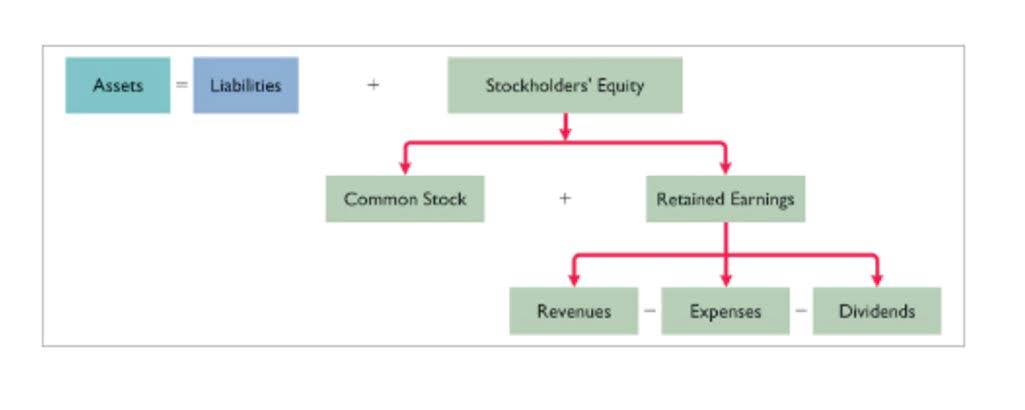
Assets are the resources owned by the organization, such as cash, investments, and property. Net assets are the difference between assets and liabilities and represent the organization’s equity. Nonprofit organizations play a crucial role in society by addressing social, cultural, and environmental issues.

Statement of Cash Flow

  • In most accounting systems, expenditures are typically recorded as natural expenses, which are based on the nature of the payment.
  • This includes segregating duties, conducting regular audits, and maintaining proper documentation.
  • This proactive approach not only aids in resource allocation but also helps organizations to adapt to changing circumstances and challenges.
  • This split helps donors see how much of their money goes directly to the cause.
  • If your nonprofit is like most, the team is likely passionate about its mission, rather than its money.
  • Even your choice of accounting software must align with the unique tracking requirements because regular business tools often fail to do so.

In the realm of nonprofit organizations and charities, transparent financial reporting serves as a cornerstone for building trust and credibility with stakeholders. As the landscape of philanthropy evolves, the demand for accountability and clarity in financial practices has never been more pronounced. Transparent financial reporting not only enhances the reputation of nonprofits but also fosters a culture of integrity and responsibility.

Things to Look Out For on the Statement of Activities

With a clear calendar, nonprofits can manage their workflow more effectively, reduce last-minute pressures, and ensure that financial statements are ready for timely review and submission. Consistent positive cash flow from operating activities is a good indicator of financial health. Be cautious of relying on cash from investing or financing activities to cover operational expenses, as this may indicate financial instability. This could be a red flag even if other financial statements appear profitable, as cash flow is a critical measure of day-to-day financial health.

Analyze the Statement of Cash Flows

  • With each of these, nonprofits include salaries, events, administrative costs, etc.
  • Nonprofit accounting helps tax-exempt organizations budget, allocate, report, and analyze financials.
  • The statement of financial position provides a snapshot of the organization’s financial position at a specific point in time.
  • To successfully implement transparent financial reporting practices, nonprofits should invest in training staff on relevant accounting standards and ethical governance principles.
  • Like any other organization, nonprofits need to maintain financial records to track their income, expenses, and overall financial health.
  • Nonprofit financial reporting requirements frequently change, so nonprofit teams must stay up-to-date to maintain compliance.

On the other hand, they share how these funds support students throughout their education. The scholarship foundation’s details fit well with what donors expect to hear from the organization. Wellington Zoo also shares further details for each financial statement to explain who is reporting these facts and how they comply with accepted standards. The first and most desired financial statement is the Statement of Financial Position.

1 Operating

For instance, mental health nonprofits often have high administrative costs because of licensing and compliance requirements. A small nonprofit might need to spend more on overhead costs to build a strong foundation. Avoiding common reporting pitfalls, such as misclassification of funds and lack of financial literacy, further supports transparency and resource management. Together, these sections give a comprehensive view of how a nonprofit generates, spends, and invests its cash, offering essential insights for evaluating financial sustainability and strategic decisions.

Nonprofit Financial Statements: The Complete Guide with Examples

Posted by / 2 de julho de 2021 / Categories: Bookkeeping / 0 Comments

financial statements for nonprofits

A high proportion of expenses dedicated to program services typically indicates that the organization is using its resources effectively for mission-related activities, with minimal overhead. The Statement of Functional Expenses breaks down expenses by both natural classification (e.g., salaries, rent) and functional classification (e.g., program services, management, fundraising). This statement is unique to nonprofits and is used to demonstrate financial efficiency and accountability. Monitoring these changes over time provides valuable insights into the organization’s financial sustainability and reveals how effectively resources are being utilized to support its mission. For these reasons, maintaining clear and accurate financial statements is not just a best practice; it’s essential for the success and sustainability of any nonprofit organization. These statements are essential for tracking the organization’s financial performance, ensuring compliance with regulatory standards, and building trust with stakeholders.

Raise funds with Zeffy. 100% free, forever.

financial statements for nonprofits

In this article, we have explored the sample financial statements for nonprofit organizations. financial statements for nonprofits We discussed the importance of financial transparency and accountability in the nonprofit sector. By providing a clear and comprehensive overview of the financial health of an organization, these statements help donors, stakeholders, and the general public make informed decisions.

tips to prepare your nonprofit financial reports

Assets are the resources owned by the organization, such as cash, investments, and property. Net assets are the difference between assets and liabilities and represent the organization’s equity. Nonprofit organizations play a crucial role in society by addressing social, cultural, and environmental issues.

Statement of Cash Flow

  • In most accounting systems, expenditures are typically recorded as natural expenses, which are based on the nature of the payment.
  • This includes segregating duties, conducting regular audits, and maintaining proper documentation.
  • This proactive approach not only aids in resource allocation but also helps organizations to adapt to changing circumstances and challenges.
  • This split helps donors see how much of their money goes directly to the cause.
  • If your nonprofit is like most, the team is likely passionate about its mission, rather than its money.
  • Even your choice of accounting software must align with the unique tracking requirements because regular business tools often fail to do so.

In the realm of nonprofit organizations and charities, transparent financial reporting serves as a cornerstone for building trust and credibility with stakeholders. As the landscape of philanthropy evolves, the demand for accountability and clarity in financial practices has never been more pronounced. Transparent financial reporting not only enhances the reputation of nonprofits but also fosters a culture of integrity and responsibility.

Things to Look Out For on the Statement of Activities

With a clear calendar, nonprofits can manage their workflow more effectively, reduce last-minute pressures, and ensure that financial statements are ready for timely review and submission. Consistent positive cash flow from operating activities is a good indicator of financial health. Be cautious of relying on cash from investing or financing activities to cover operational expenses, as this may indicate financial instability. This could be a red flag even if other financial statements appear profitable, as cash flow is a critical measure of day-to-day financial health.

Analyze the Statement of Cash Flows

  • With each of these, nonprofits include salaries, events, administrative costs, etc.
  • Nonprofit accounting helps tax-exempt organizations budget, allocate, report, and analyze financials.
  • The statement of financial position provides a snapshot of the organization’s financial position at a specific point in time.
  • To successfully implement transparent financial reporting practices, nonprofits should invest in training staff on relevant accounting standards and ethical governance principles.
  • Like any other organization, nonprofits need to maintain financial records to track their income, expenses, and overall financial health.
  • Nonprofit financial reporting requirements frequently change, so nonprofit teams must stay up-to-date to maintain compliance.

On the other hand, they share how these funds support students throughout their education. The scholarship foundation’s details fit well with what donors expect to hear from the organization. Wellington Zoo also shares further details for each financial statement to explain who is reporting these facts and how they comply with accepted standards. The first and most desired financial statement is the Statement of Financial Position.

1 Operating

For instance, mental health nonprofits often have high administrative costs because of licensing and compliance requirements. A small nonprofit might need to spend more on overhead costs to build a strong foundation. Avoiding common reporting pitfalls, such as misclassification of funds and lack of financial literacy, further supports transparency and resource management. Together, these sections give a comprehensive view of how a nonprofit generates, spends, and invests its cash, offering essential insights for evaluating financial sustainability and strategic decisions.

Best Bookkeepers Near Me November 2023: Find Nearby Bookkeepers Reviews

Posted by / 3 de junho de 2021 / Categories: Bookkeeping / 0 Comments

bookkeeping near me

Corporate Finance Institute (CFI) is an online platform that provides online finance and accounting courses. CFI courses offer practical skills, templates, and tools to enhance your accounting knowledge and are taught by professional Wall Street trainers who have been teaching for over twenty years. As the name implies, QuickBooks Live Bookkeeping is a QuickBooks-based service that allows you to outsource your bookkeeping to QuickBooks experts. QuickBooks Live is attached to QuickBooks Online, and easily available to users who already have this accounting software. If you don’t have QuickBooks Online already, you can sign up for QuickBooks Live directly when purchasing your QuickBooks subscription.

Moreover, Bookkeeper360 offers add-on solutions for CFO advisory, payroll, taxes, HR, and back-office. All of the tax-software providers we review also offer a free tier for filers with simple returns. If your adjusted gross income for 2022 was $73,000 or less, be sure to check out the IRS’s Free File program, where you can access tax software from several brand-name bookkeeping near me providers for free. Coursera is an online platform that offers courses by top instructors from world-class universities and companies. There are a host of free courses that give you access to on-demand video lectures, homework exercises, and community discussion forums. Paid courses offer quizzes and projects, and a course certificate upon completion.

For Businesses

Before entrusting someone with your private financial and personal information, do some research on their qualifications. The IRS has a searchable database where you can verify the background and credentials of your income tax preparation professional. Once you have selected someone, ask about their service fees and confirm their availability. Then provide them with all the documentation they require, including W-2s, 1099s and more.

Academic background, years in the field and professional reputation all can affect an accountant’s rates. Although Merritt does not offer some of the more advanced tools that other solutions include, such as payroll, taxes, or invoices, their online bookkeeping services are easy to use and great for businesses on a budget. The second plan, Monthly, accommodates businesses that need monthly bookkeeping services. This plan also includes a dedicated accountant, monthly profit and loss statements and balance sheets, phone, email, and chat support, as well as a Xero or QuickBooks subscription. Bookkeeper.com offers business owners a full range of bookkeeping services—including virtual bookkeeping and accounting, tax preparation and planning, financial planning and investment, as well as payroll.

Accounting Plus Management, Inc.

With access to 1M+ customer reviews and the pros’ work history, you’ll have all the info you need to make a hire. Access all Xero features for 30 days, then decide which plan best suits your business. You can also find help for all aspects of your life in our Consumer https://www.bookstime.com/ HQ and for your business in our Business HQ. Aside from vetting a tax preparer, there are some other considerations to keep in mind when looking for tax help. See how to get listed in the Xero advisor directory and how to make the most of the opportunity.

  • Check out the average hourly rate for accounting services in your region.
  • The IRS has a searchable database where you can verify the background and credentials of your income tax preparation professional.
  • All in all, when you sign up for QuickBooks Live, you’ll have access to a certified bookkeeper, as well as a bookkeeping team that can address additional questions.
  • It’s important to note, however, that this price does not include the price of a QuickBooks Online subscription.
  • While most “find an accountant” might actually lead to an actual accountant (not necessarily CPA) you may be instead looking for  someone whose tasks for you fall more into data entry of AR, AP, HR.

The Beginner’s Guide to Bookkeeping

Posted by / 23 de abril de 2021 / Categories: Bookkeeping / 0 Comments

bookkeeping method

Bookkeeping is the practice of recording and tracking the financial transactions of a business. Bookkeepers regularly summarise this activity into reports that show how the business is doing. They may also perform wider tasks such as invoicing, paying bills, preparing tax returns, monitoring key performance indicators, and providing strategic advice. Cash accounting is a bookkeeping method where only revenue and expenses paid in cash are recorded, with sales or purchases made on credit terms ignored until the payment is made. Bookkeeping is the backbone of your accounting and financial systems, and can impact the growth and success of your small business.

Now that you’ve got a firm grasp on the basics of bookkeeping, let’s take a deeper dive into how to practice good bookkeeping. There’s no one-size-fits-all answer Specialized Tax Services STS accounting method: PwC to efficient bookkeeping, but there are universal standards. The following three bookkeeping practices can help you stay on top of your business finances.

The difference between bookkeeping and accounting

In addition, you can’t integrate spreadsheets with bank statements, credit card reports, or payroll records. And if you need someone to help you manage the books, you may find it challenging to train them in Excel. If you’re posting more transactions each month, entering data can make bookkeeping more difficult. When it’s finally time to audit all reported financial transactions, bookkeepers produce reports that give an accurate look into how the company delegated its capital. The two key reports that bookkeepers provide are the balance sheet and the income statement.

Without a firm grasp on bookkeeping basics, it can be easy to confuse terms or use them interchangeably. Depending on your training, certification, and experience you’ll learn to navigate different strategies and dial in what will help your https://turbo-tax.org/legal-bookkeeping/ company succeed. Only you know what accounting style works best for you, choose a system that helps you thrive. Perhaps you’ve worked as a bookkeeper for a larger company or firm and you’d like to branch out and start your own business.

Cash Basis vs. Accrual Basis

In most cases, liability and revenue accounts increase with a credit entry. Finally, the total dollar amount of debits must always equal credits. Accounting and bookkeeping software requires each journal entry to post an equal dollar amount of debits and credits. Bookkeeping is the process of tracking income and expenses in your business.

bookkeeping method

Here at Business Accounting Basics, we have created a fantastic resource for small business owners who want to learn the basics of bookkeeping. The process ensures accurate records of financial transactions are kept, which are crucial for running day-to-day operations efficiently, meeting compliance requirements, and making strategic decisions. You should also browse the chart of accounts and make sure it’s organized in a way that makes sense for your business. Essentially, revenue and expense transactions would post to different months.

Important accounting method updates and reminders for 2023

Bookkeeping is the process of recording your company’s financial transactions into organized accounts on a daily basis. It can also refer to the different recording techniques businesses can use. Bookkeeping is an essential part of your accounting process for a few reasons. When you keep transaction records updated, you can generate accurate financial reports that help measure business performance.