
The Allure of Casino Games
The psychology of casino game choices is rooted in the allure of chance and the pursuit of excitement. Players are often drawn to the vibrant environments and promise of potential rewards, creating a powerful emotional connection. This attraction is heavily influenced by factors such as design, sounds, and the social atmosphere found in casinos, which play a significant role in fostering an exhilarating experience. Many players who explore options for entertainment find that canadian online casino sites provide unique experiences tailored to different preferences.
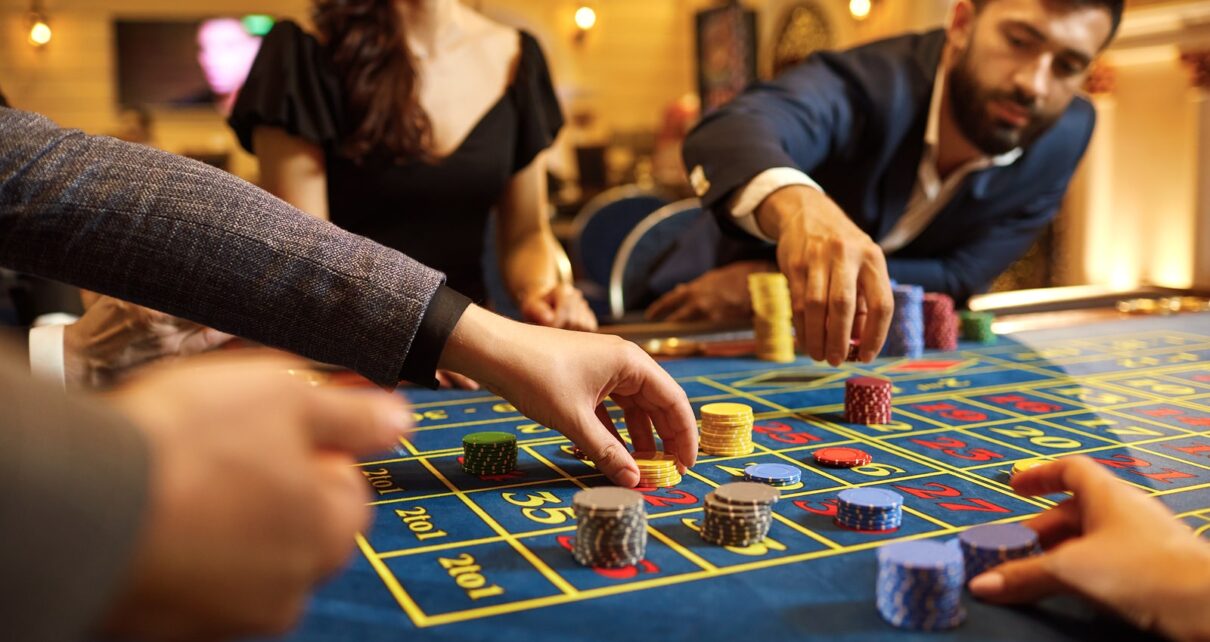
Moreover, the thrill of risk-taking can be irresistible to many individuals. As players engage with different games, they often feel a rush from the uncertainty and unpredictability of outcomes. This stimulation can lead to an emotional high, reinforcing their preference for specific games that provide the most excitement.
Game Preferences and Personality Traits
Individuals’ choices in casino games can often reflect their personality traits. Research indicates that more extroverted individuals may gravitate towards games that involve social interaction, like poker or blackjack, which emphasize competition with others. In contrast, introverted players might prefer solitary games where they can focus on strategy and skill, such as video slots or certain table games.
Additionally, risk tolerance plays a crucial role in game selection. Those who are more risk-averse might choose games with lower stakes and higher predictability, while thrill-seekers may choose high-stakes games that promise bigger rewards in exchange for greater risk. Understanding these dynamics helps casinos tailor their offerings to cater to various player types.
The Impact of Cognitive Biases
Cognitive biases significantly impact how players perceive their chances of winning and their game choices. For instance, the “gambler’s fallacy” leads individuals to believe that past outcomes influence future results, causing them to make irrational betting decisions. Such biases can skew players’ understanding of odds, driving them to favor games where they feel they have more control over the outcome.
Moreover, the concept of “loss aversion” often surfaces in casino settings. Players tend to prefer avoiding losses over acquiring equivalent gains, which can lead them to continue playing in hopes of recovering lost bets. This psychological phenomenon reinforces specific game choices, as players may favor games they believe offer the best chance of recouping losses.
The Role of Marketing and Branding
Marketing strategies employed by casinos greatly influence player choices. Promotions, advertisements, and branding are designed to create a particular image around certain games, making them seem more appealing. The psychological impact of these marketing efforts can sway players’ perceptions and decisions, leading them to favor specific games based on their promotional presentation.
Additionally, loyalty programs can manipulate player choices by rewarding frequent play or high spending. This creates a psychological bind, as players feel incentivized to return to particular games that provide them with benefits, often leading to repetitive habits and preferences.

Understanding User Behavior on Security-Driven Platforms
In the world of online casinos, understanding user behavior becomes even more crucial, especially on platforms that prioritize security. Players may encounter access issues due to stringent security measures, which can influence their experience and game choices. A secure browsing experience is essential for players to feel confident and engaged.
To ensure that all users can enjoy a seamless gaming experience, it is vital for casino operators to offer direct guidance for resolving access issues. By fostering a secure environment, casinos enhance player trust, which can significantly impact their game choices and overall satisfaction with the platform. This understanding not only improves user experience but also helps operators refine their security protocols to better accommodate players.