
The Role of Luck in Casino Games
Luck is often regarded as the most intangible element in casino games. Players frequently enter casinos with the hope that fortune will favor them, whether they are spinning the reels of a slot machine or challenging the dealer at a blackjack table. While skill and strategy play significant roles in certain games, such as poker, many games, especially slots and roulette, are predominantly governed by chance, making the online casino experience even more exciting. The randomness of these games creates a thrilling environment where both novice and experienced players can experience moments of extraordinary fortune.
The psychological aspect of luck cannot be underestimated. Many players attribute their wins to luck, feeding a sense of optimism as they engage in different gaming experiences. This mindset may encourage them to take risks they might otherwise avoid, such as betting larger amounts or trying new games. However, the premise of luck can lead to erratic gambling behavior, as players may chase losses, convinced that a lucky streak is just around the corner. These dynamics contribute to the casino’s allure while simultaneously posing risks associated with gambling addiction.
While luck is an unpredictable force, its role in casino success should not be misconstrued as the only factor determining outcomes. For example, in games like poker, players’ skills and strategies can significantly influence their success, while luck plays a more background role. Thus, the interplay between skill and luck varies from game to game, shaping each player’s journey through the casino landscape. Ultimately, understanding this balance can empower players to make more informed decisions during their gaming sessions.
The Concept of “Hot” and “Cold” Streaks
In the realm of casinos, many players swear by the concept of “hot” and “cold” streaks. This notion suggests that certain machines or tables can be streaky, providing a series of wins or losses over a period. This belief can heavily influence players’ strategies, as they may preferentially seek out games perceived to be “hot” at that moment. Such perceptions are often based on anecdotal experiences rather than hard data, leading to a fascinating interplay between psychology and gambling.
While the idea of streaks may add excitement to the gaming experience, it is essential to remember that each spin or hand dealt is independent of the previous one. The randomness inherent in casino games means past outcomes do not influence future results. However, the belief in streaks can create a powerful psychological effect, leading players to feel more confident when they win and more cautious when they lose. This rollercoaster of emotions can impact betting patterns and decision-making processes, often leading to irrational behaviors driven by the hope of recapturing a “lucky” moment.
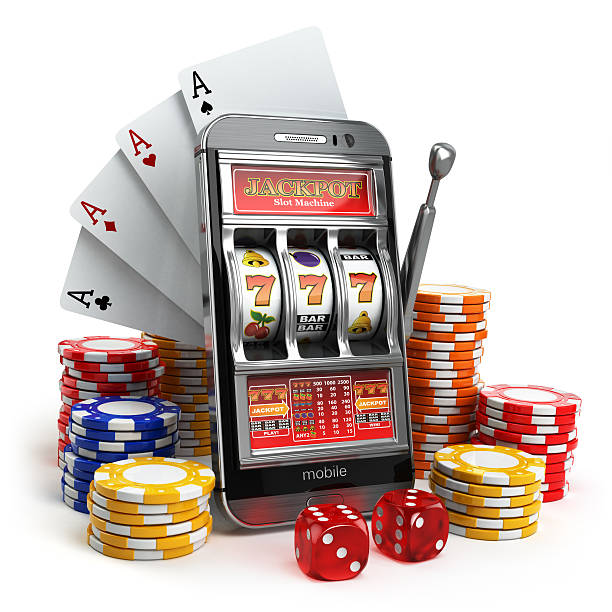
Moreover, the casino industry frequently capitalizes on this psychological phenomenon to enhance player engagement. Promotions and visual cues, such as flashing lights or celebratory sounds, are designed to create a sense of excitement around potential wins. These strategies can reinforce the idea of luck prevailing in the games, making players more likely to return and continue pursuing what they perceive to be lucky opportunities. Ultimately, understanding these concepts can help players develop a more realistic approach to their casino experiences, focusing on enjoyment rather than solely on outcomes.
Strategies to Minimize Luck’s Impact
While luck is a significant factor in casino games, players can take proactive steps to minimize its influence. This begins with selecting games that require a combination of skill and strategy, such as blackjack or poker, where players can employ techniques to improve their odds. For instance, learning basic strategies, such as when to hit or stand in blackjack, can help players make more informed decisions, shifting the odds in their favor. This creates a balance where skill can help negate the randomness of luck, leading to a more satisfying gaming experience.
Another essential strategy is bankroll management. By setting limits on how much money to wager or lose, players can maintain control over their gambling habits and avoid falling into the trap of relying solely on luck to recover losses. This disciplined approach encourages players to focus on their gaming strategies rather than chasing the elusive idea of luck. Ultimately, this mindset promotes responsible gambling and enhances the overall enjoyment of the gaming experience, as players can engage with the games without the burden of financial distress.
Moreover, players can benefit from taking breaks and stepping away from the games periodically. This practice allows for reflection on the gaming experience and can help them remain composed and focused. Returning to the table or machine with a refreshed mindset encourages a more strategic approach to gambling, rather than one driven solely by emotional highs and lows. By recognizing that luck can fluctuate, players can better navigate the unpredictable casino environment, leading to a more enjoyable and potentially profitable experience.
Understanding the Casino’s House Edge
Every casino game is designed with a built-in advantage for the house known as the “house edge.” This mathematical advantage ensures that the casino will ultimately profit in the long run, regardless of the luck players may experience in the short term. For example, in roulette, the presence of the zero (or double zero) on the wheel gives the house a slight edge over player bets. Understanding the house edge is crucial for players who wish to approach casino gaming with a realistic mindset and informed expectations.
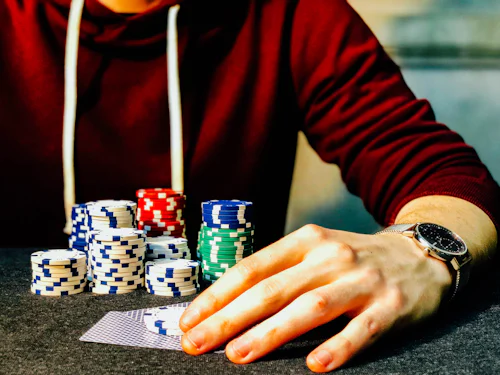
The house edge varies across different games, which means players can choose to engage with options that offer better odds. Games like baccarat and blackjack typically have lower house edges, allowing players who employ skillful strategies to minimize the casino’s advantage. Conversely, slots often carry higher house edges, making them riskier long-term options for players seeking to maximize their winnings. Thus, understanding the mechanics behind each game can empower players to make informed decisions based on their individual risk tolerance and gaming preferences.
Moreover, recognizing the house edge can also help players manage their bankroll more effectively. By focusing on games with a lower house edge, players can extend their gaming sessions, providing more opportunities to enjoy the thrill of the casino without the immediate pressure of pursuing luck. This understanding fosters a more relaxed atmosphere, where players can enjoy the experience of gaming rather than merely focusing on the outcomes, making it an essential part of a successful casino strategy.
The Importance of Responsible Gambling
As players navigate the complex interplay of luck and skill in casinos, the importance of responsible gambling cannot be overstated. Establishing clear boundaries regarding time and money spent in the casino is vital to ensure that gaming remains an enjoyable pastime rather than a source of stress or financial strain. Players should approach gambling as a form of entertainment, recognizing that losses are a potential outcome, just as wins can be fleeting. This mindset can alleviate the emotional burdens that may arise from relying on luck.
Additionally, many reputable casinos actively promote responsible gambling initiatives, providing resources such as self-exclusion programs and counseling services for those who may be struggling with gambling-related issues. These resources emphasize the importance of understanding one’s limits and the potential consequences of uncontrolled gambling behavior. Engaging with these initiatives and seeking help when needed can mitigate the risks associated with gambling while fostering a safer environment for all players.
Ultimately, responsible gambling encompasses both the enjoyment of the gaming atmosphere and the recognition of the inherent risks involved. As players learn to balance their approaches to luck, strategy, and emotional well-being, they can cultivate a more fulfilling and enjoyable casino experience. With a commitment to responsible gambling, players are better equipped to navigate the unpredictable nature of luck, allowing them to find joy in the process of gaming itself rather than solely in financial outcomes.