
Cultivating a Winning Psychological Approach at the Casino
Success at casino card tables, while influenced by luck, is significantly amplified by a well-honed psychological approach. Players who consistently perform well often possess a mindset that prioritizes discipline, emotional control, and strategic thinking over impulsive decisions. This involves understanding the inherent probabilities of various card games and accepting that variance is a natural part of the process. A player with an advantageous mindset doesn’t get overly discouraged by losses or excessively jubilant with wins, maintaining a balanced perspective and understanding that the melbet app can be a distraction if not managed properly.
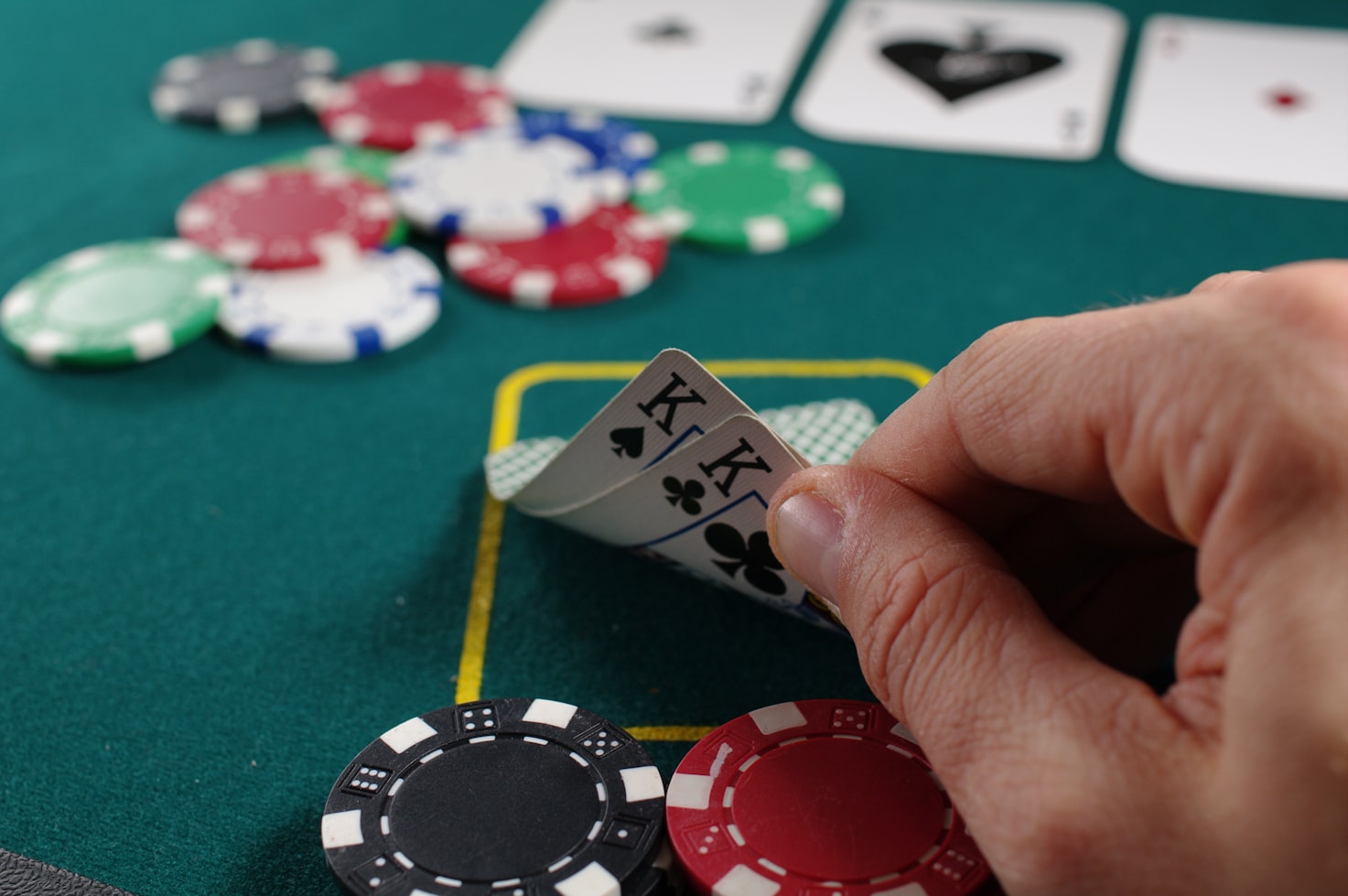
Developing this mental fortitude requires consistent self-awareness and practice. It means recognizing personal biases, such as the tendency to chase losses or overvalue winning streaks. By actively working to mitigate these psychological pitfalls, players can make more rational decisions, stick to their strategies, and ultimately improve their long-term results. This mental discipline is as crucial as any technical skill in the realm of casino gaming.
The Importance of Emotional Regulation in Card Games
The high-stakes environment of casino card tables can be a breeding ground for intense emotions. Fear, greed, frustration, and excitement can all cloud judgment and lead to costly errors. An advantageous mindset involves learning to recognize these emotional triggers and developing techniques to manage them effectively. Deep breathing exercises, short breaks, and a commitment to pre-determined limits can all help maintain composure.
Emotional regulation is not about suppressing feelings entirely, but rather about preventing them from dictating actions. A player who can remain calm under pressure is better equipped to assess situations objectively, make sound strategic adjustments, and avoid making impulsive bets driven by adrenaline or despair. This level of control is a hallmark of experienced and successful casino game participants.
Strategic Thinking and Adaptability at the Card Table
Beyond emotional control, an advantageous mindset thrives on strategic thinking and the ability to adapt. This involves not only understanding the rules and basic strategies of games like poker or blackjack but also being able to read opponents, anticipate their moves, and adjust one’s own play accordingly. Flexibility in strategy is key, as no single approach will guarantee success in every situation.
Furthermore, a player with a winning mindset is constantly learning and refining their approach. They analyze past hands, identify mistakes, and seek out new information or techniques. This continuous improvement loop, fueled by a desire to understand the game at a deeper level, is what separates casual players from those who consistently find success at the casino. This dedication to strategic mastery is fundamental.
Understanding Variance and Long-Term Expectations
A critical component of the advantageous mindset is a profound understanding of variance. Casino card games, even those with a strong element of skill, are subject to random fluctuations in outcomes over the short term. A player who grasps this concept will not be unduly disheartened by a string of bad luck, nor will they become complacent after a series of wins. They understand that these are temporary deviations from the expected long-term results.
By accepting and planning for variance, players can set realistic expectations and avoid making drastic changes to their strategy based on short-term results. This means having a robust bankroll management system in place to weather downswings and maintaining confidence in a sound strategy even when the cards aren’t falling favorably. This long-term perspective is vital for sustained success.

CRHS PTSA: Fostering a Supportive Community for Success
While the CRHS PTSA might not directly relate to casino card tables, the underlying principles of fostering a positive and supportive environment are transferable. Just as a winning mindset requires discipline and community, the success of any organization like the CRHS PTSA relies on engaged members working collaboratively. The PTSA aims to create a space where parents, teachers, and students can unite to support educational goals, much like a player focuses on achieving their objectives at the table.
The CRHS PTSA’s mission to enhance the educational experience through volunteerism, fundraising, and communication mirrors the dedication and strategic planning required for success in challenging environments. By encouraging participation and providing resources, the PTSA cultivates a sense of shared purpose and collective achievement, highlighting the power of a unified and focused group, analogous to a player honing their skills and mindset for optimal performance.